Plantation lives up to its name, with tree-lined streets, the large lots of Plantation Acres, and established neighborhoods like Jacaranda wrapped around golf greens and lakes. Gates here range from estate entries in the Acres to community gates along Broward Boulevard and Peters Road, and RK Gates & Access Control repairs them throughout the city. We service operators, access controls, and intercoms for homes and associations. The city’s lakes and canals thread through many neighborhoods, so a good share of gates stand within a few yards of the water.
Whether your gate guards an acre homesite or a subdivision entrance, we will keep it operating the way it should. Plantation homeowners can contact RK Gates & Access Control at (561) 261-0920.
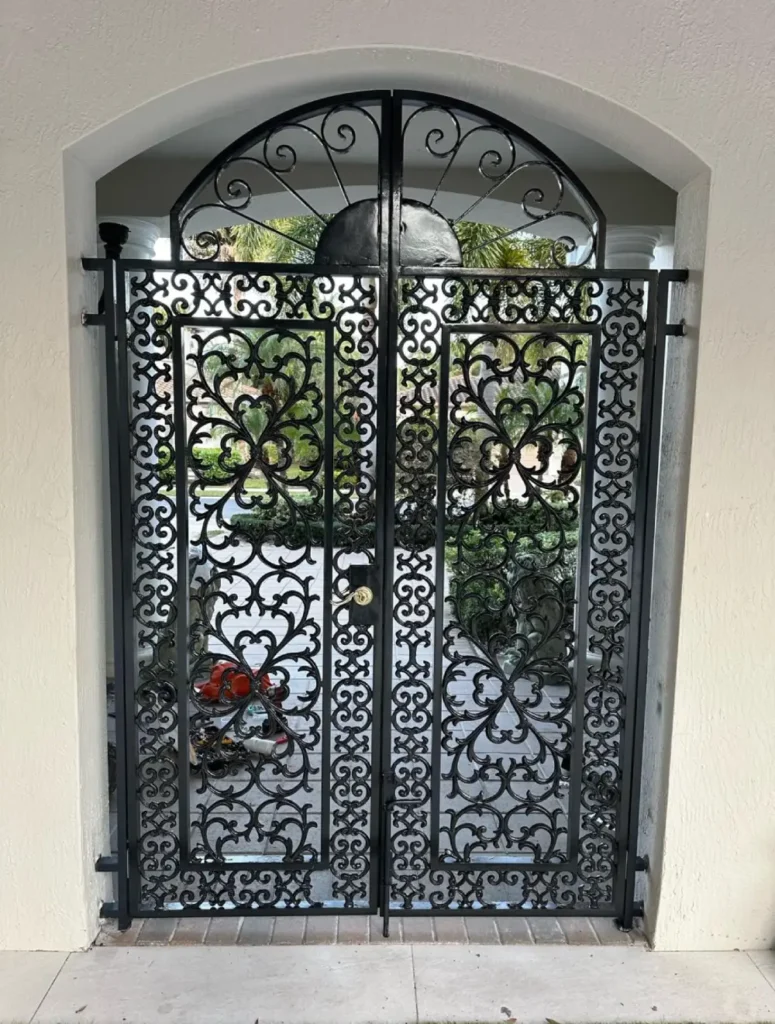
Questions About A Custom Gate

Consultation & Design
We begin by understanding your unique needs and preferences. Whether you're looking for a custom gate, access control system, or a complete security solution, our team will listen to your requirements and discuss available options. Based on this, we’ll provide you with a tailored design that suits both your aesthetic vision and functional needs.
Installation
Once you’ve approved the design, we move forward with the installation. Our experienced technicians will handle every aspect, from site preparation to the installation of the gate, automation systems, and any additional security features. We ensure that the process is smooth and efficient, with minimal disruption to your daily routine.
Ongoing Support & Maintenance
Your security doesn’t end with installation. We offer ongoing maintenance services to ensure your gate and access systems continue to operate at their best. Whether it’s routine maintenance, repairs, or upgrades, our team is always here to support you and ensure your system is secure and functional.
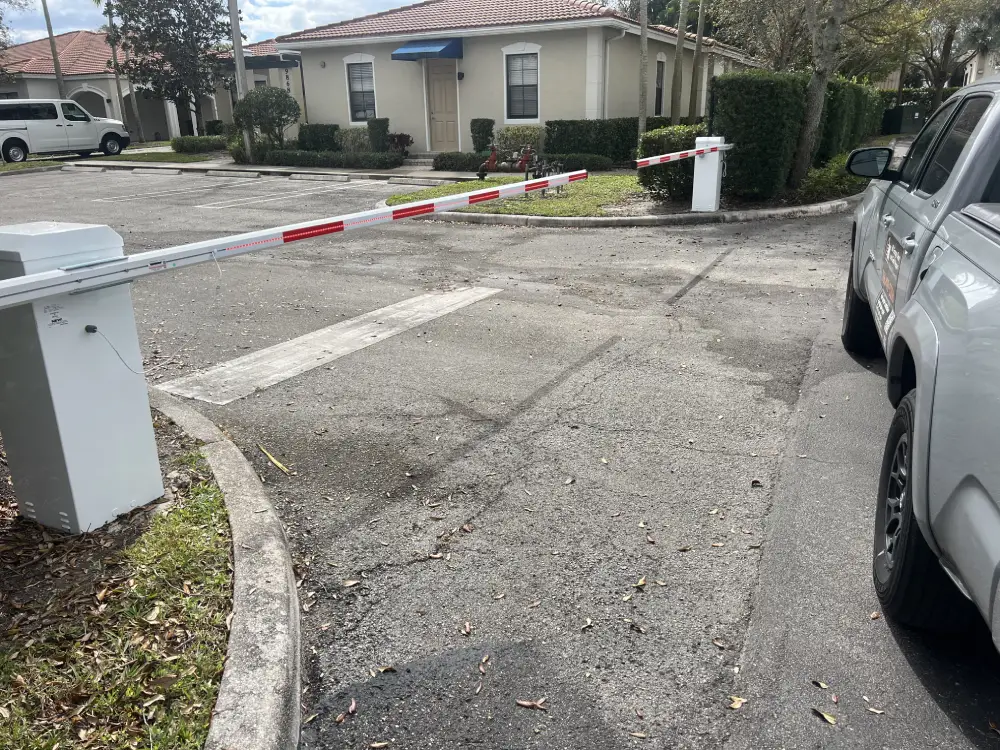
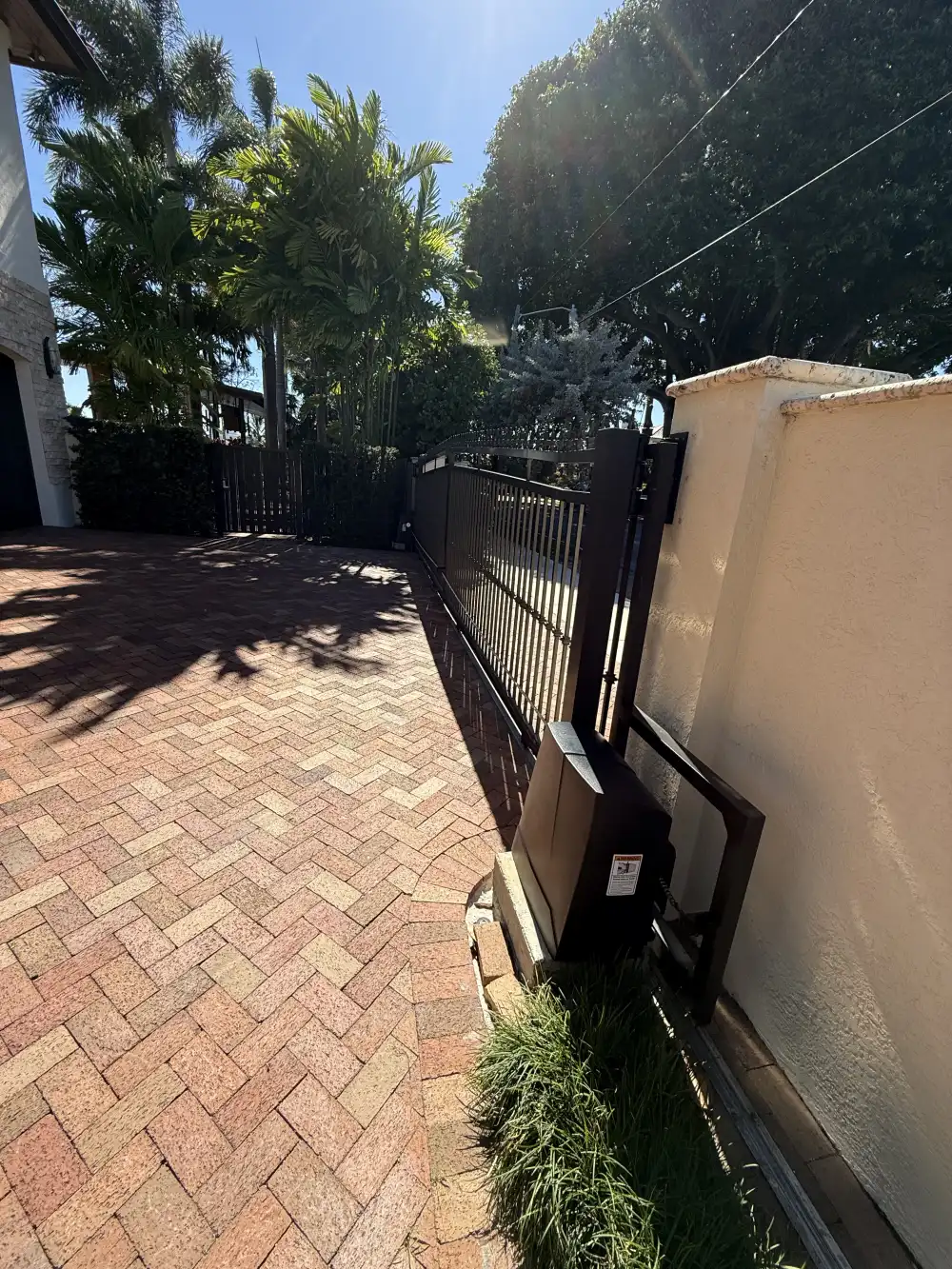
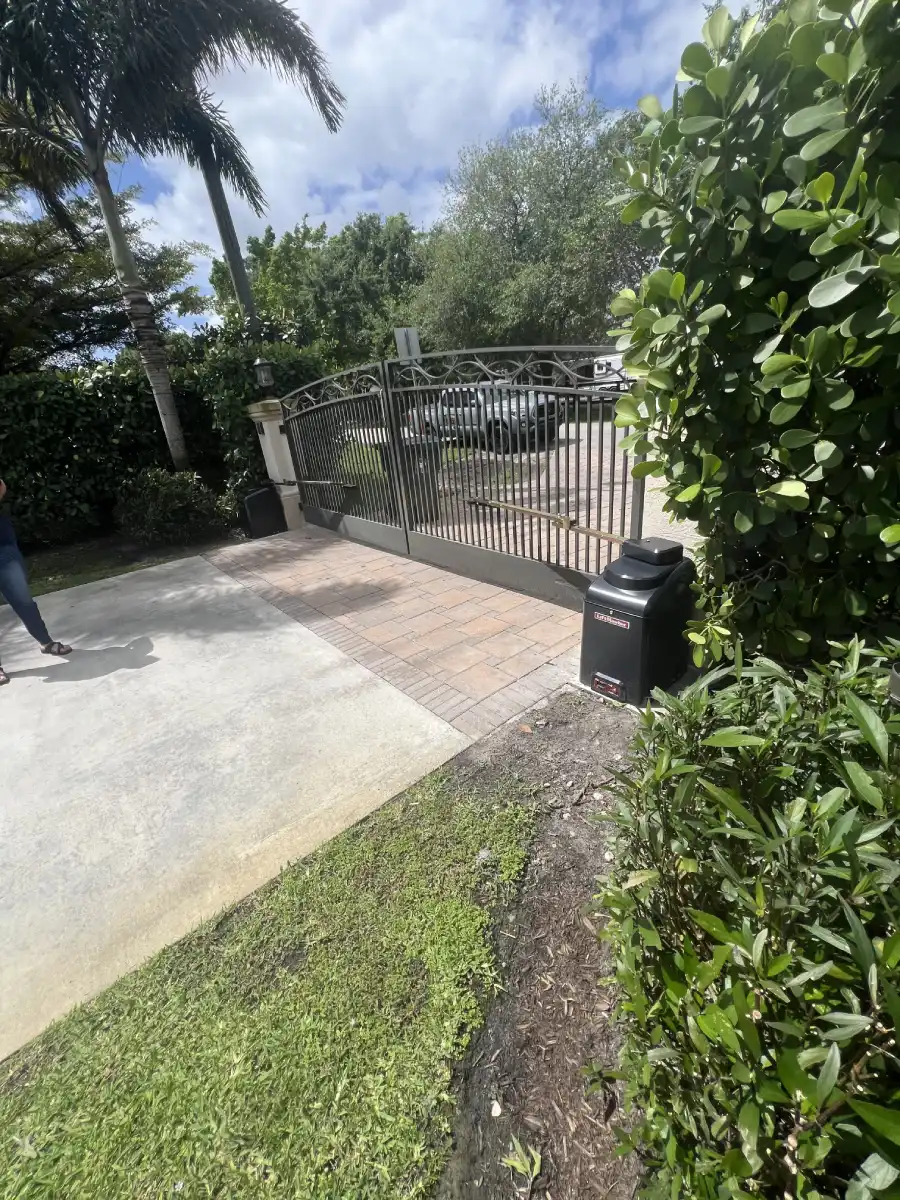
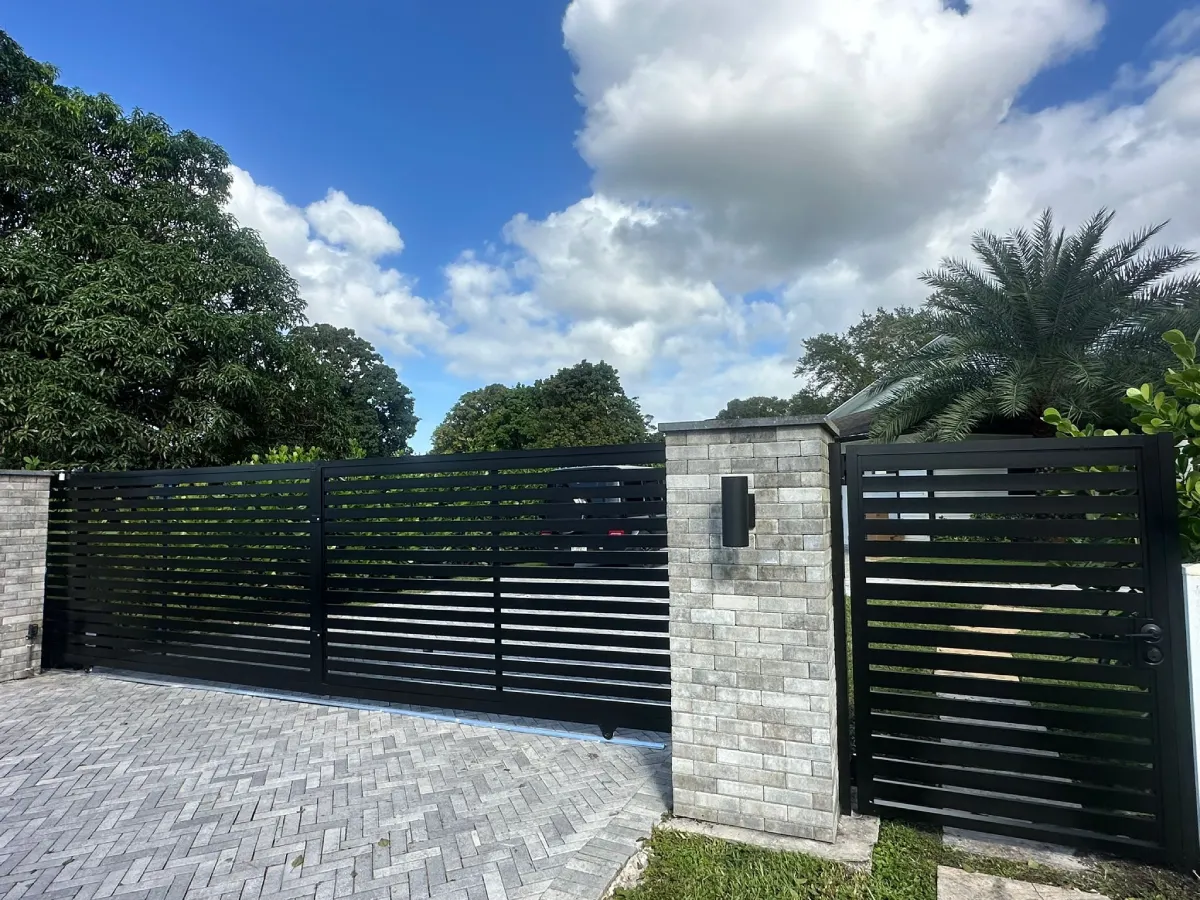
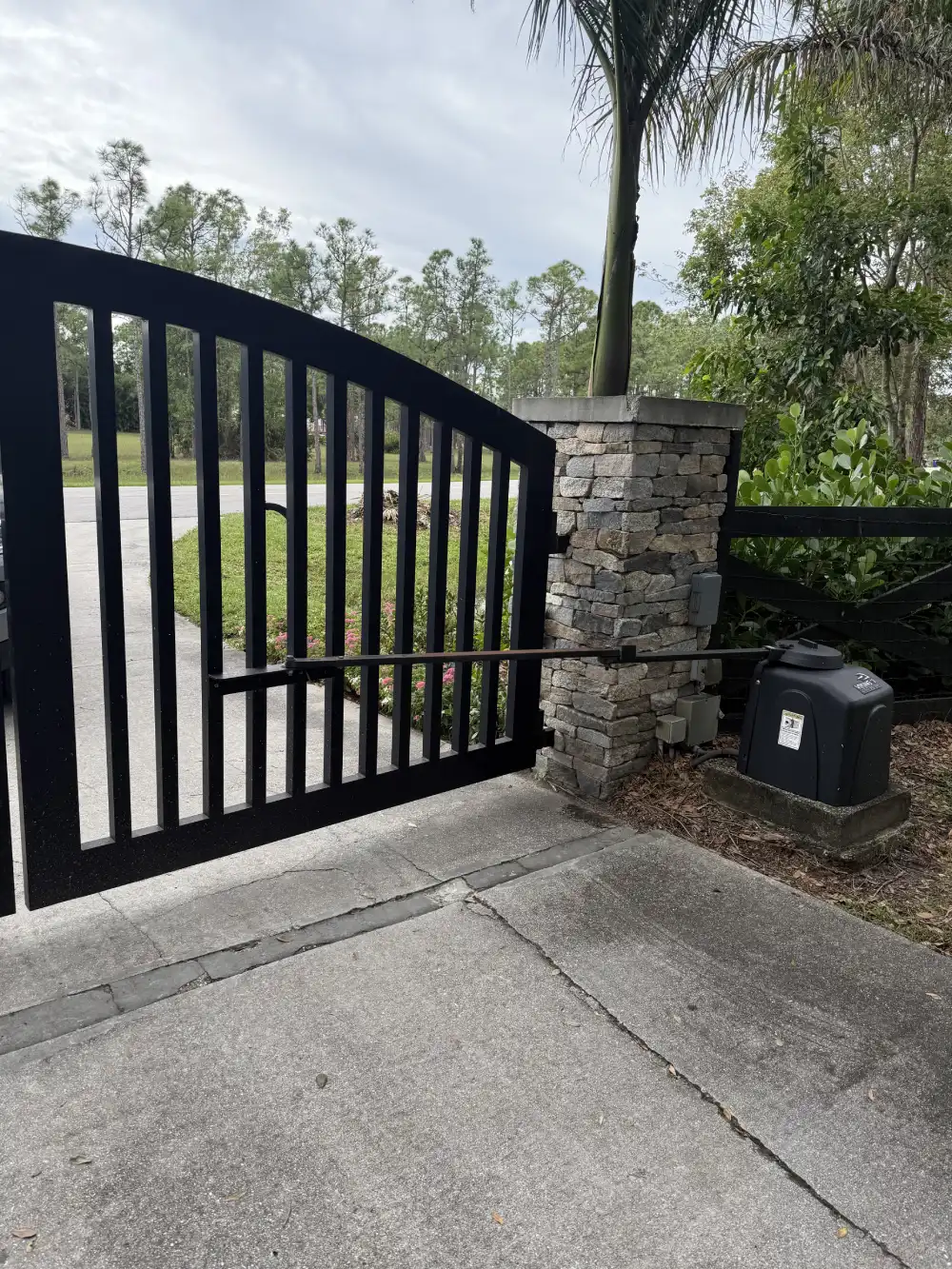
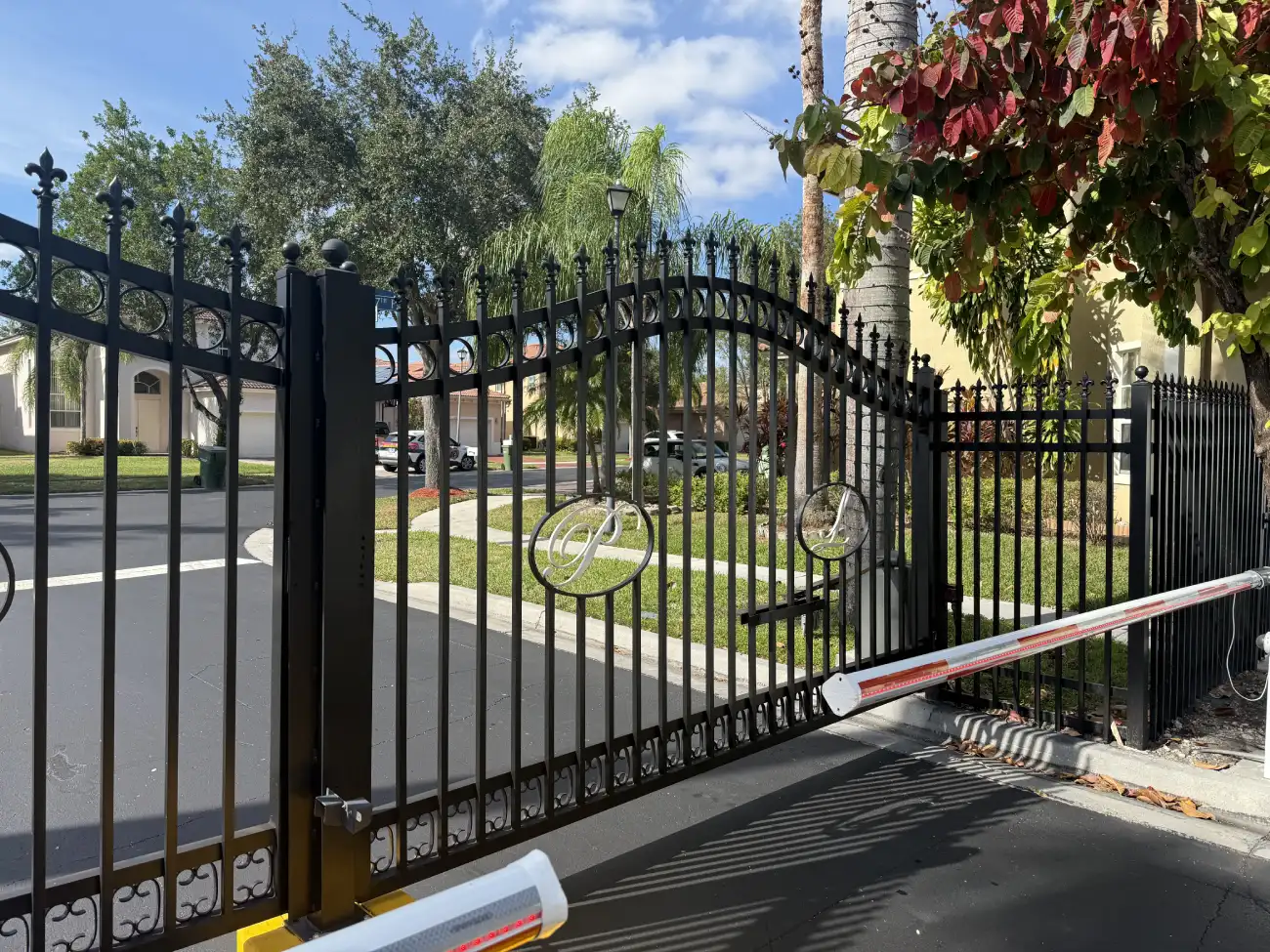
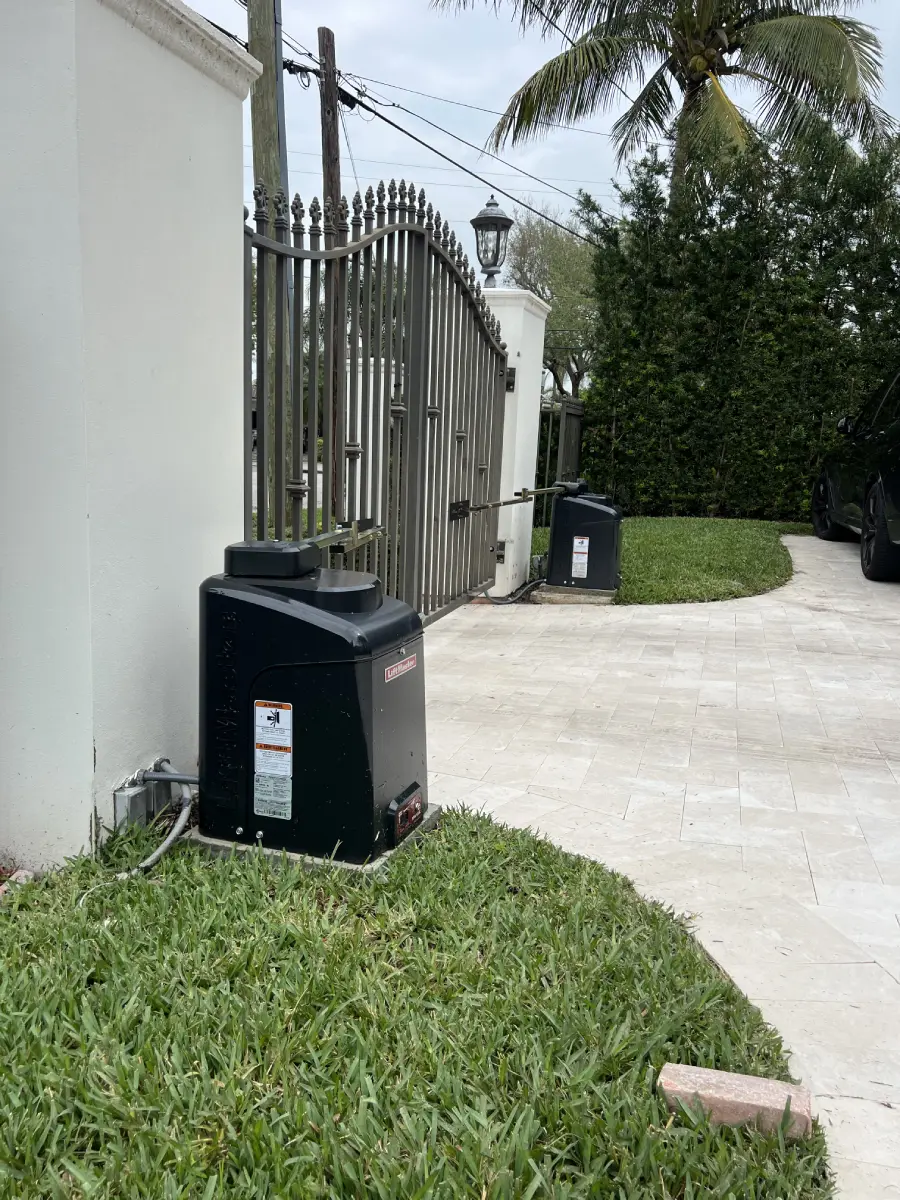
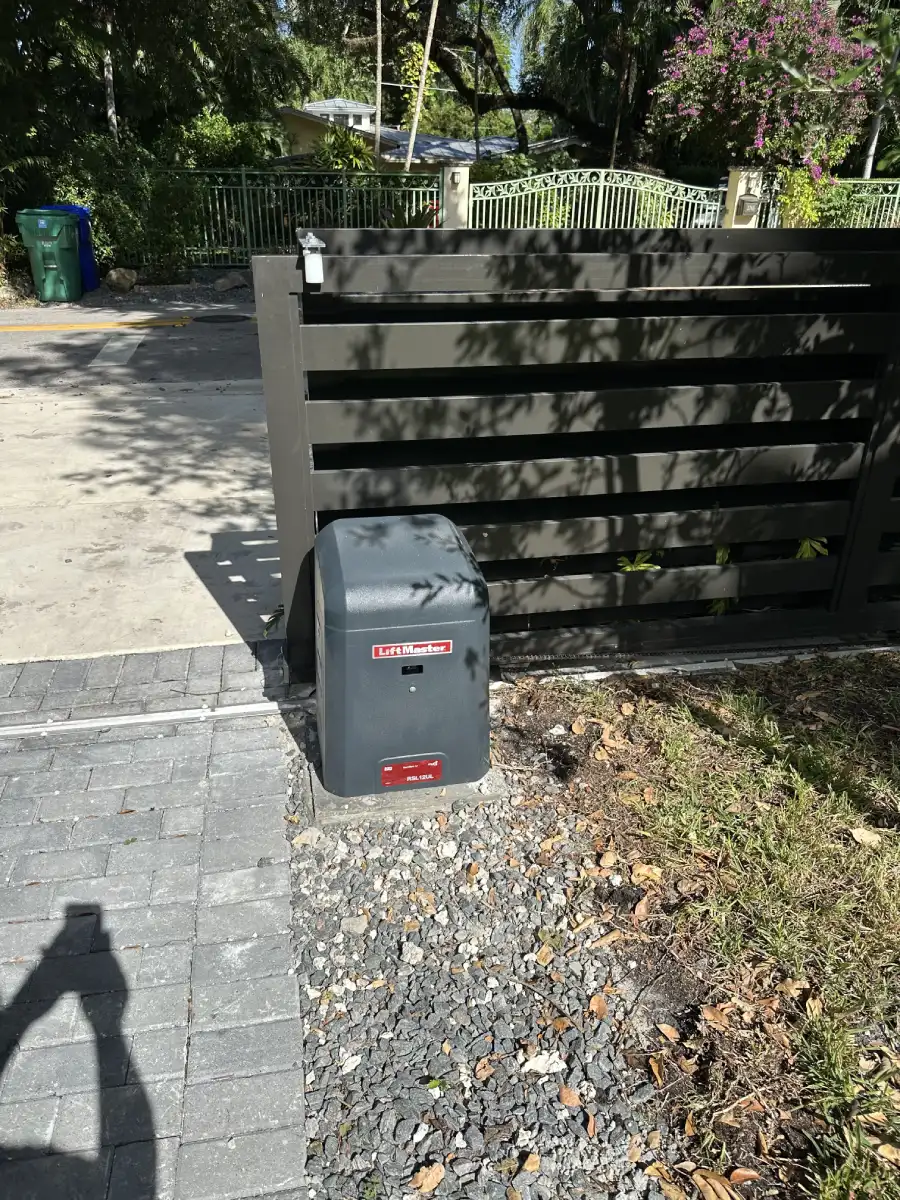
Gate Repair & Access Control in Plantation
Plantation Acres deserves special mention: lots are large, driveways are long, and many gates were custom-built for individual properties rather than ordered from a catalog. Custom iron and wood-trimmed gates are heavier than standard panels, and their operators and hinges must be matched accordingly. We measure gate weight and balance before recommending equipment, because an underpowered operator on a heavy Acres gate will fail early no matter how good the brand. In the Acres, we also look at how delivery and service trucks reach the gate call box, since a box placed for cars can be awkward for taller vehicles.
The city’s thick tree canopy is beautiful but hard on gates. Falling fronds and branches trigger safety sensors, roots lift sliding gate tracks, and shade keeps moisture on hardware longer after rain. During service visits we check track foundations for root heave, clear sensor sightlines, and look for rust starting where damp leaf litter collects against the bottom rail. Small corrections here prevent the alignment problems that strain motors all summer. After any repair we cycle the gate repeatedly rather than once, because a marginal hinge or a tired capacitor often reveals itself only on the fourth or fifth run.
Plantation Gate Service FAQs
Our sliding gate track is lifting. Can that be repaired?
Yes, track sections can be re-set and re-anchored once the cause, often tree roots or a washed-out base, is addressed. Running the gate on a heaved track damages rollers and the operator, so it is worth fixing promptly. We will inspect the full run of track and the gate’s rollers together and quote the complete correction.
Can a heavy custom gate be automated reliably?
It can, with the right operator class and sound hinges. The essentials are a balanced gate that a person can move by hand without strain, posts that do not flex, and an operator rated above the gate’s actual weight. We assess all three on site and will tell you if hinge or post work should come before automation.
Why do leaves and debris keep stopping our gate?
Photo eye sensors sit low, exactly where mulch, fronds, and leaf piles collect, and a blocked sensor tells the gate the path is obstructed. Regular clearing around the sensor posts solves most cases. If your landscaping keeps refilling the spot, we can sometimes reposition the sensors slightly higher or fit protective covers during a service visit.