Lighthouse Point is a waterfront city in Broward County threaded with canals, sitting just south of the Hillsboro Inlet and its historic lighthouse. Most homes back onto water with private docks, the Lighthouse Point Marina serves the boating community, and streets like Harbor Drive reflect a lifestyle organized around the water.
RK Gates & Access Control serves Lighthouse Point homeowners from Boynton Beach, providing electric gate repair, opener replacement, and access control for waterfront and inland properties alike. Whether your gate guards a circular drive or a service entrance, we can help — call (561) 261-0920 to arrange a visit. We also look after gates for the city’s condominium buildings and the marina-area properties along the Intracoastal.
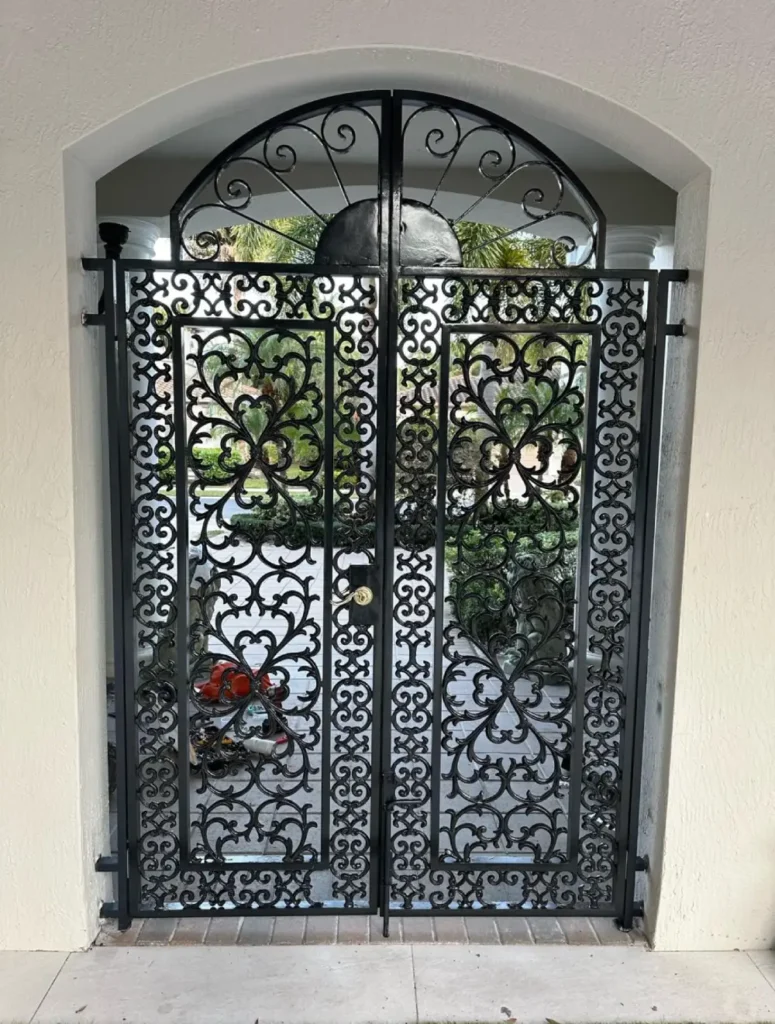
Questions About A Custom Gate

Consultation & Design
We begin by understanding your unique needs and preferences. Whether you're looking for a custom gate, access control system, or a complete security solution, our team will listen to your requirements and discuss available options. Based on this, we’ll provide you with a tailored design that suits both your aesthetic vision and functional needs.
Installation
Once you’ve approved the design, we move forward with the installation. Our experienced technicians will handle every aspect, from site preparation to the installation of the gate, automation systems, and any additional security features. We ensure that the process is smooth and efficient, with minimal disruption to your daily routine.
Ongoing Support & Maintenance
Your security doesn’t end with installation. We offer ongoing maintenance services to ensure your gate and access systems continue to operate at their best. Whether it’s routine maintenance, repairs, or upgrades, our team is always here to support you and ensure your system is secure and functional.
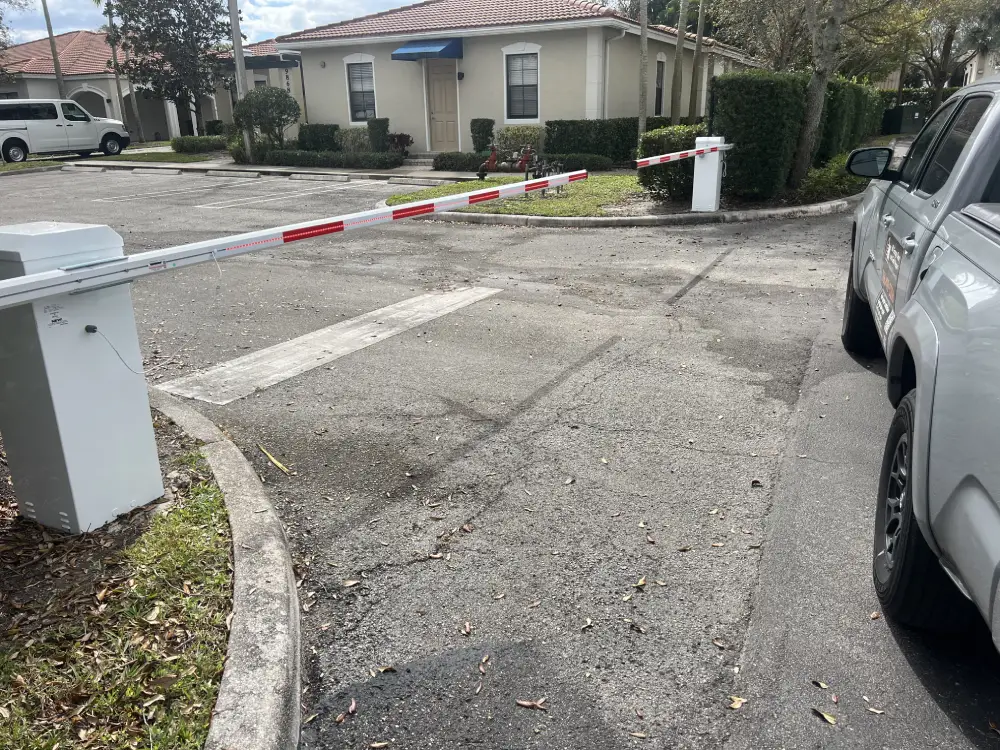
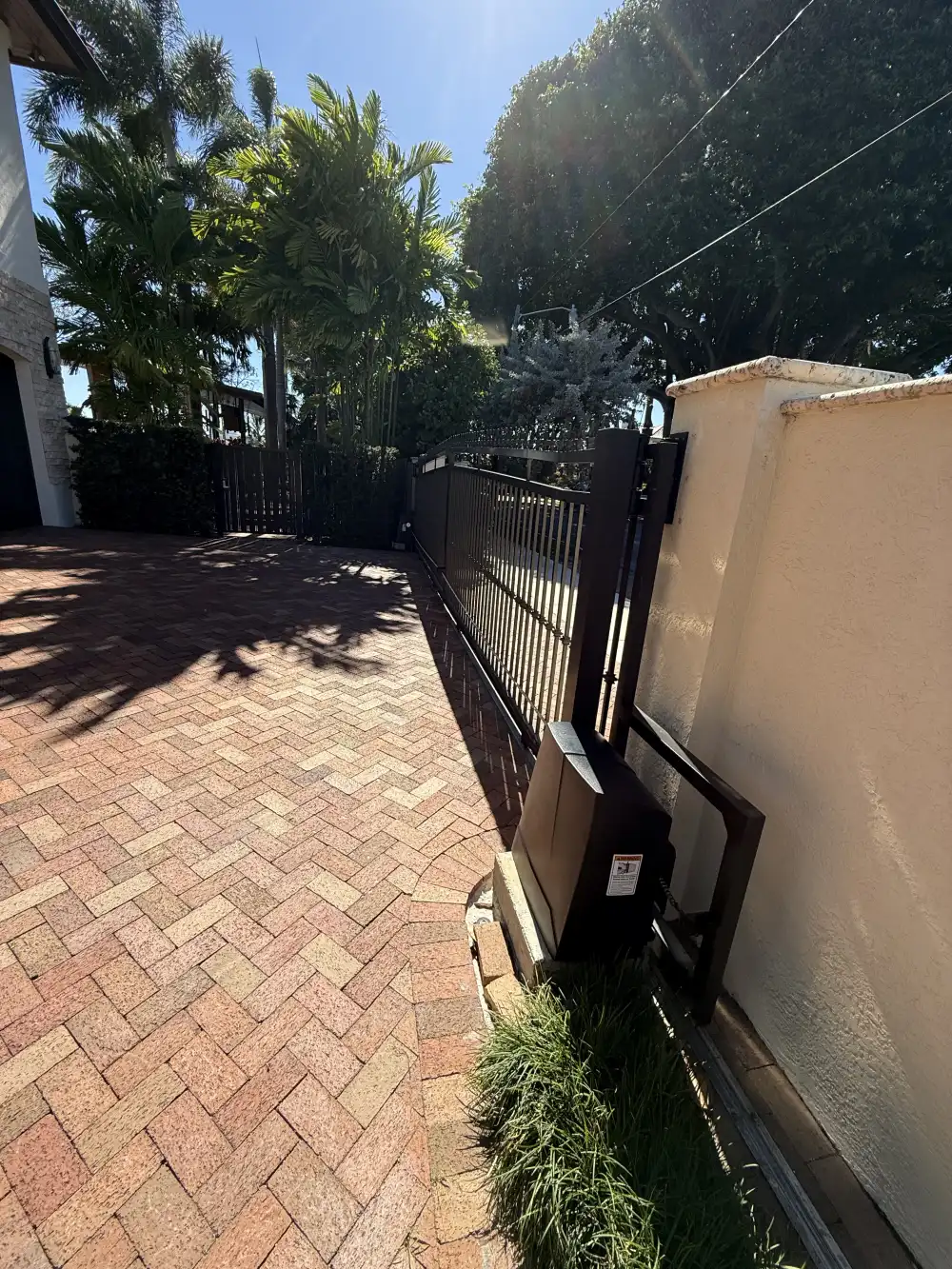
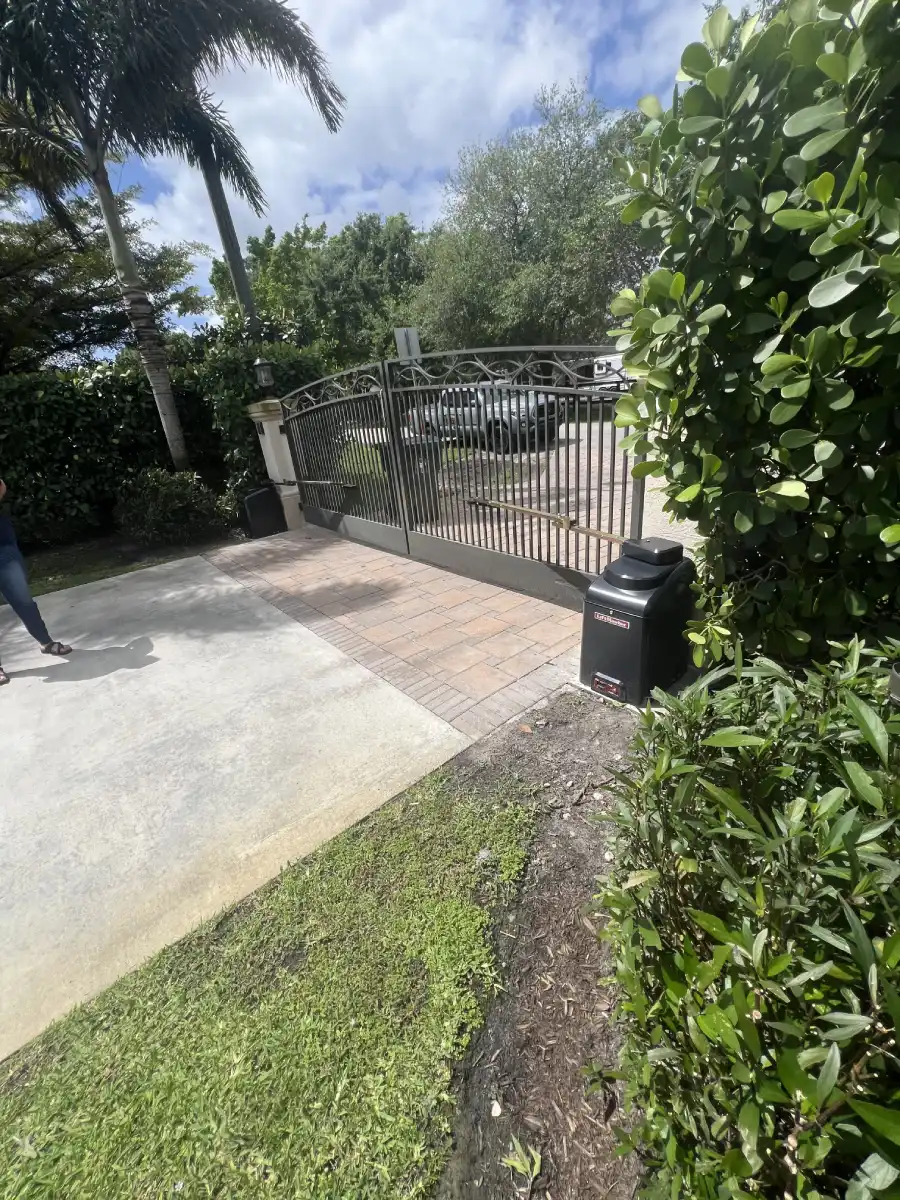
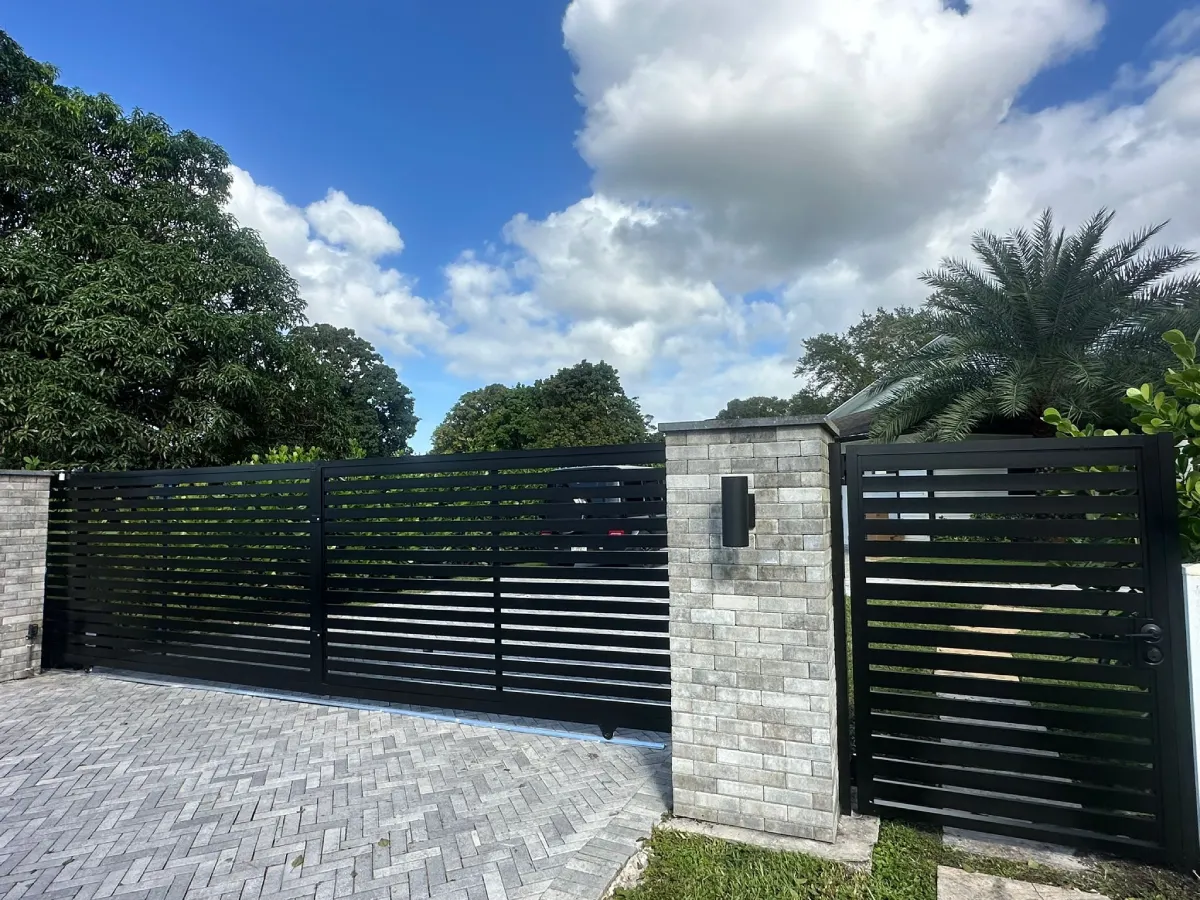
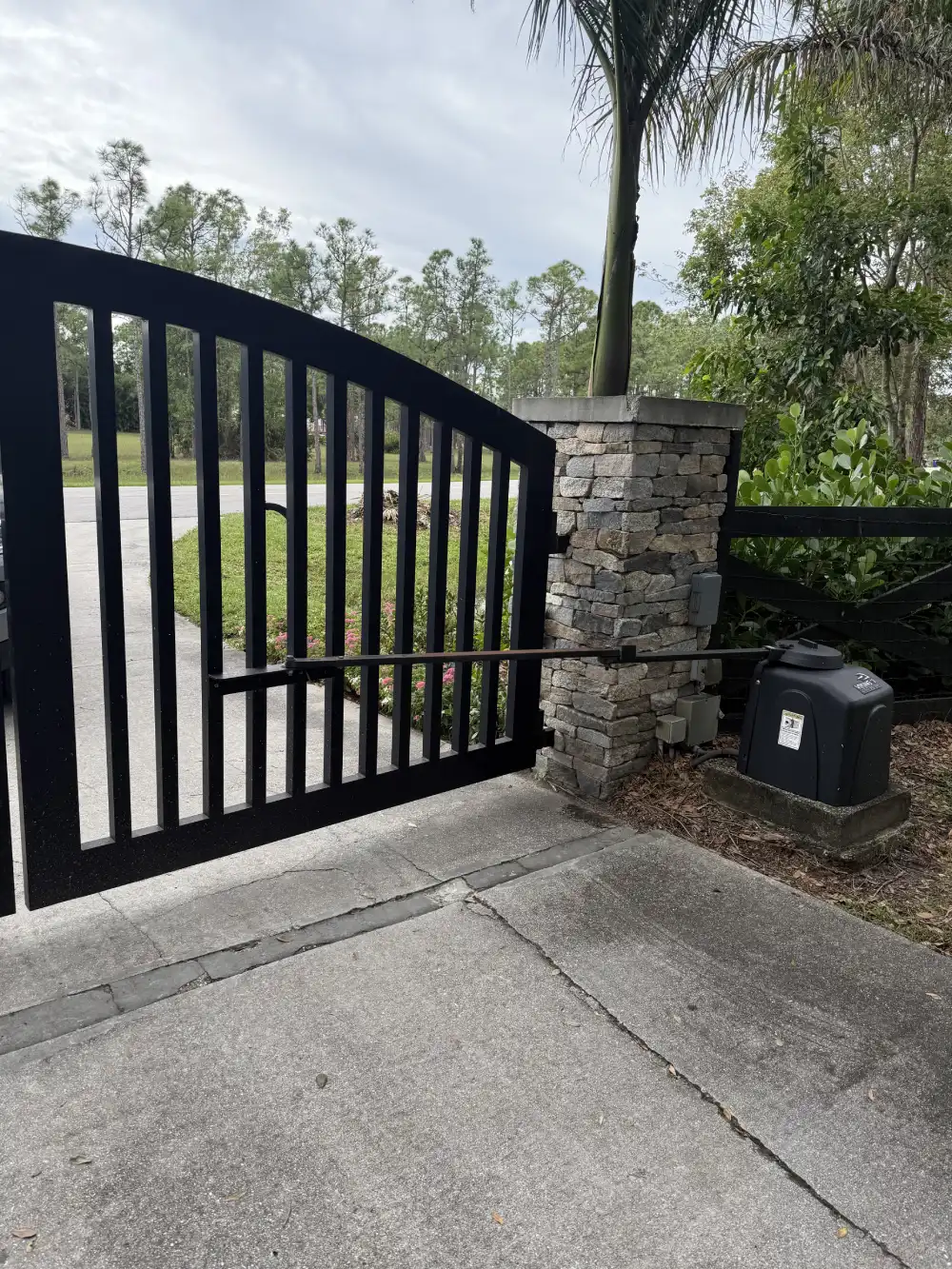
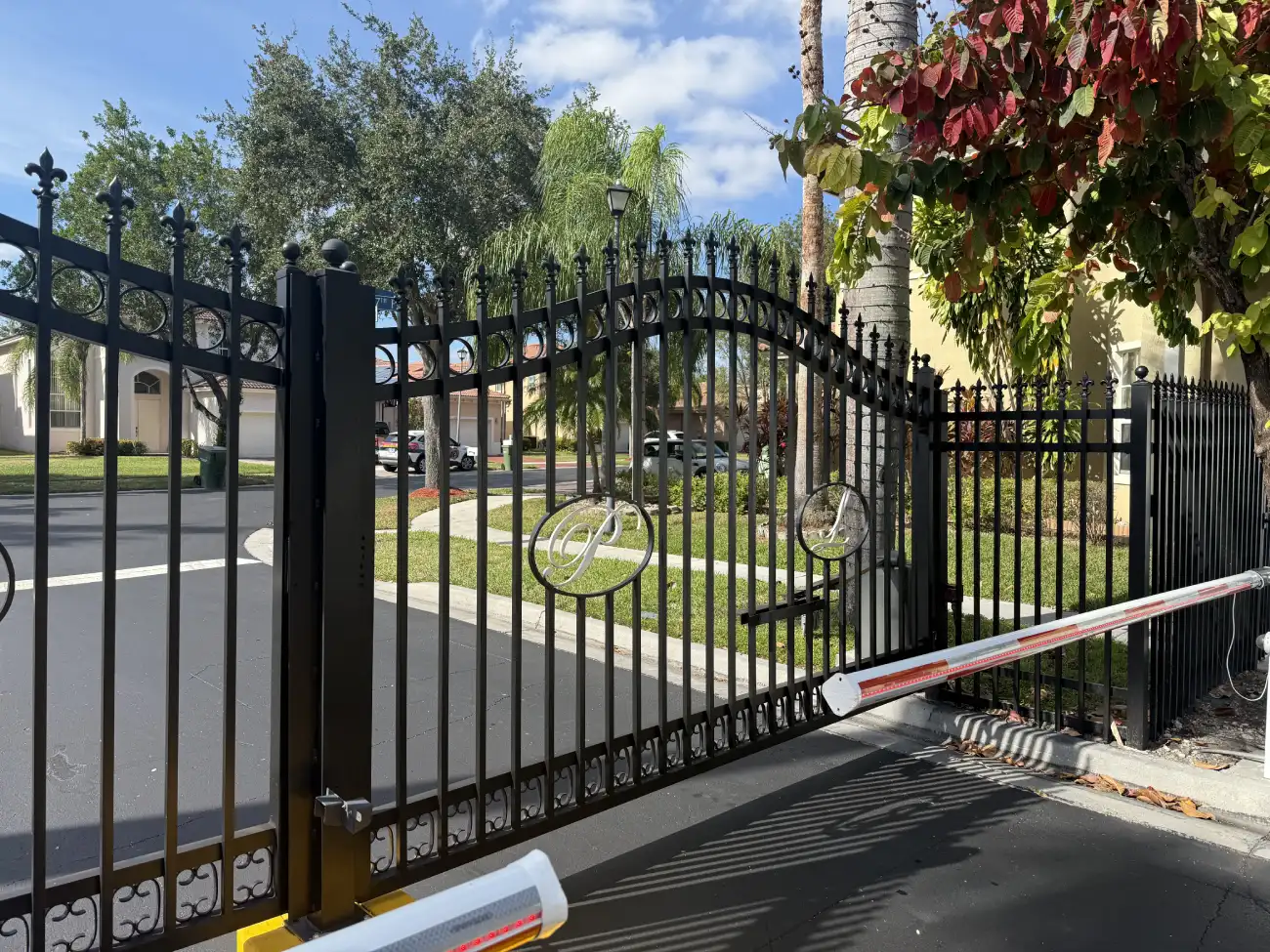
Gate Repair & Access Control in Lighthouse Point
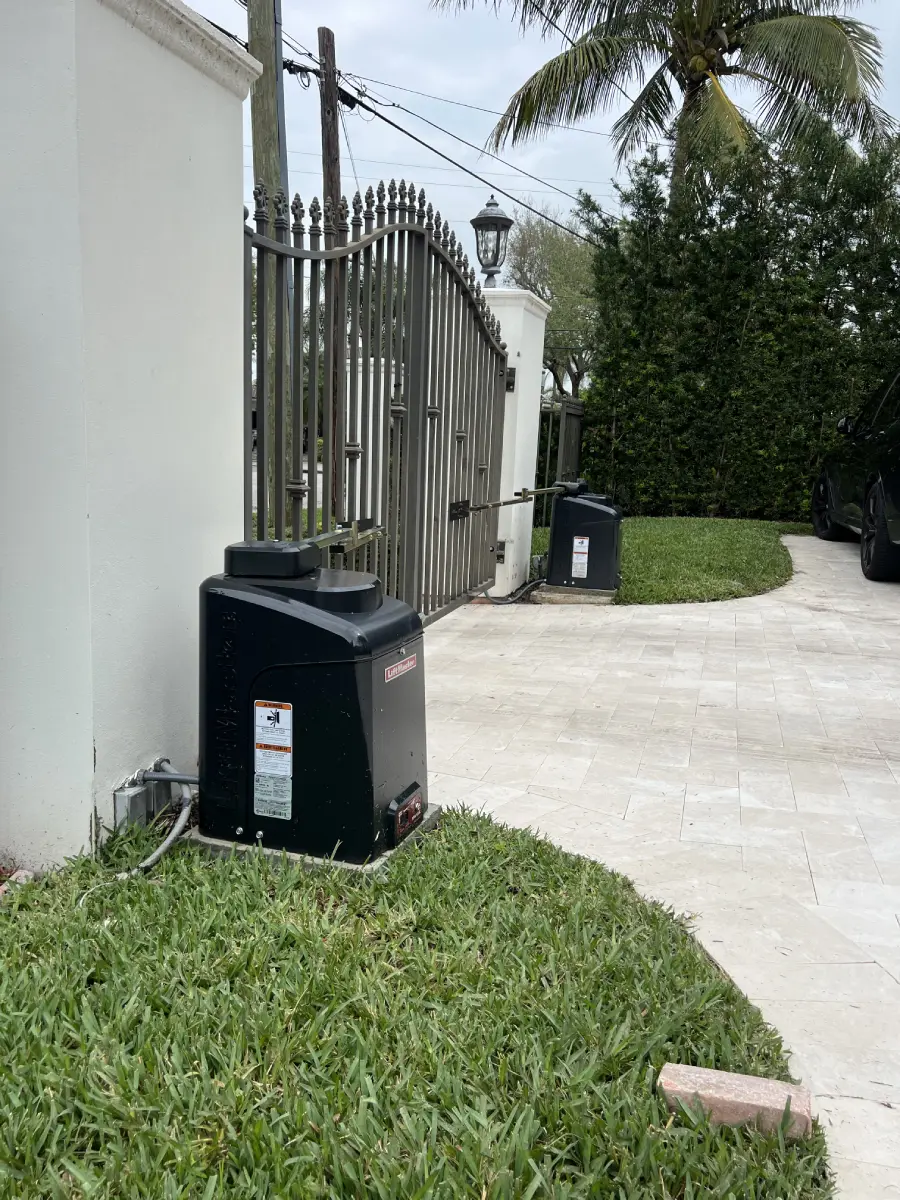
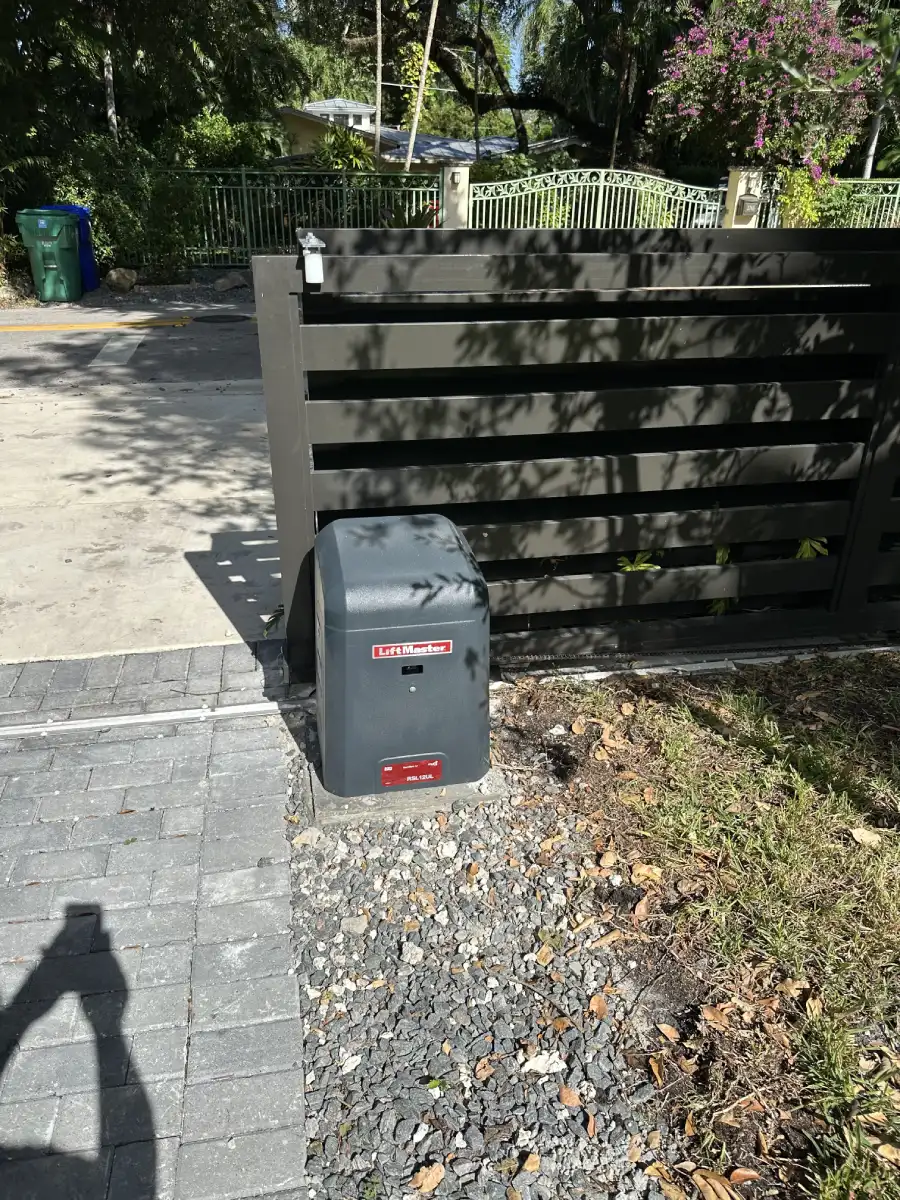
On canal-front streets, a gate operator lives in a marine environment even if the gate itself is at the front of the house. Moist, salt-laden air condenses inside control boxes, corrodes terminal connections, and shortens the life of circuit boards and photo-eye sensors. We open up enclosures during service to inspect for this hidden damage, clean and protect connections, replace compromised boards, and reseal boxes — because intermittent faults that appear only on humid mornings almost always trace back to moisture.
Many Lighthouse Point lots are also relatively compact, which forces a real choice between swing and sliding configurations. A swing gate needs a clear arc that a parked boat trailer can easily block, while a sliding gate needs lateral room along the fence line. We evaluate the actual driveway geometry and how the property is used before recommending a configuration or an operator, and we fit battery backup so storm-season outages never leave a gate frozen with the car — or the boat — on the wrong side. We also pay attention to drainage around the operator pad; standing water after one of the area’s heavy summer downpours is a quiet killer of gate electronics, and a small correction there prevents recurring faults.
Lighthouse Point Gate Service FAQs
How can I protect my gate electronics from the marine environment?
Keeping the control enclosure properly sealed is the first line of defense, along with inspecting connections for corrosion before they fail. We also recommend periodic service that includes cleaning the enclosure interior and checking sensor housings, since moisture damage usually develops gradually and is inexpensive to correct early.
Is a swing gate or a sliding gate better for a smaller waterfront lot?
It depends on the driveway. Swing gates need an unobstructed arc and can struggle on sloped or short driveways, while sliding gates need fence-line space for the panel to travel. We measure your layout and talk through how you park and store trailers before recommending either one.
Why does my gate only malfunction on humid or rainy days?
Moisture-sensitive faults — a board with early corrosion, a cracked sensor housing, a nicked wire — often work fine when dry and fail when condensation bridges a connection. We test the system methodically, including the wiring runs, to find the exact point of failure rather than guessing at parts.